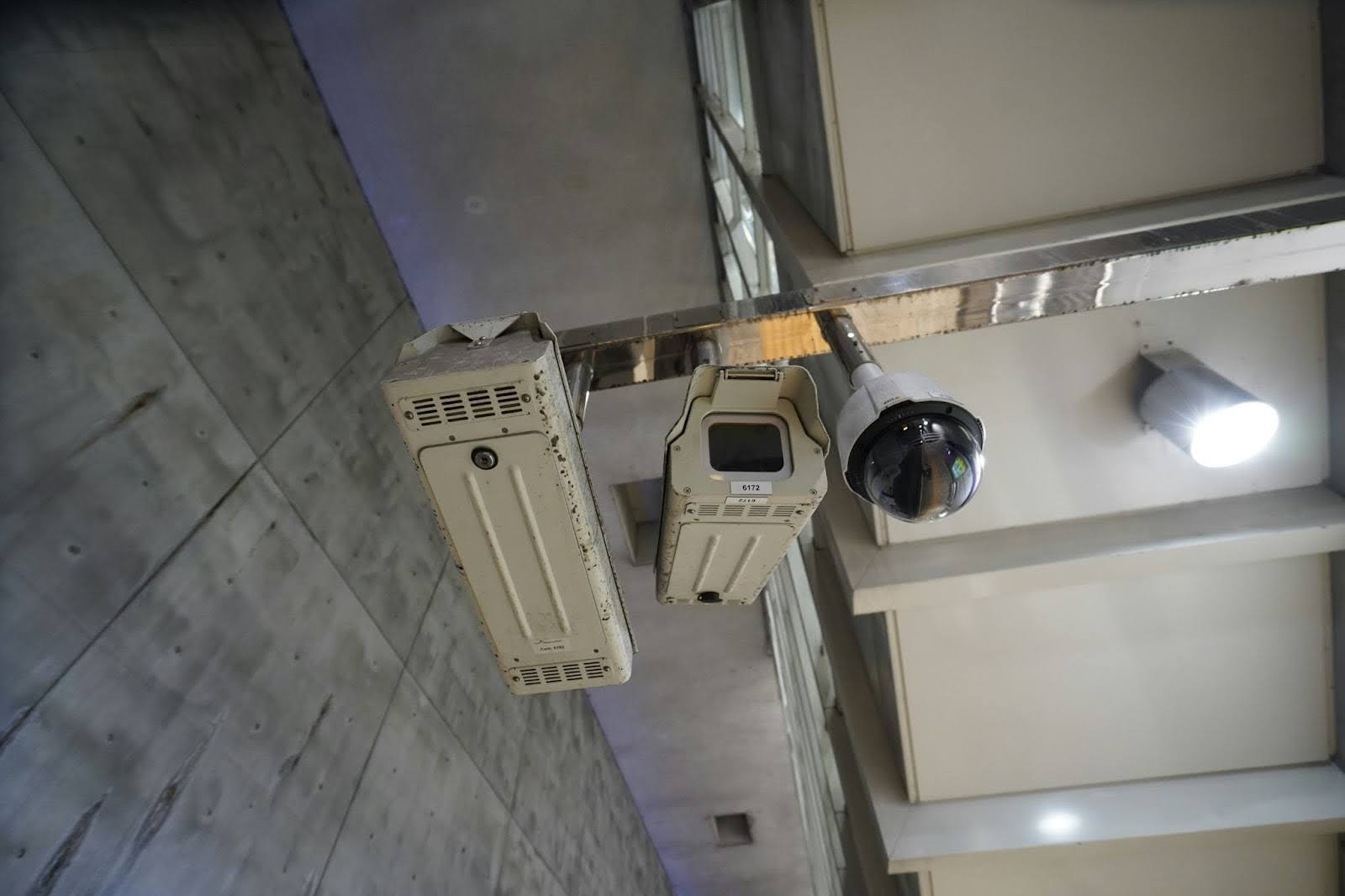

School and campus security has become one of the most urgent challenges facing educational institutions today. According to data from the U.S. Department of Education, incidents involving weapons on K–12 campuses have increased steadily over the past decade, while university security teams are under growing pressure to respond faster to potential threats. Traditional security tools like metal detectors, manual monitoring, and reactive response plans are no longer sufficient on their own.
This has driven rapid adoption of AI gun detection systems, which use video analytics to identify firearms in real time through existing security cameras. Unlike legacy approaches, these systems are designed to detect brandished weapons within seconds, reduce reliance on human monitoring, and enable faster emergency response.
Below are six leading AI gun detection systems that schools and universities are using to improve campus safety. Each solution is evaluated based on detection method, deployment model, response speed, and suitability for educational environments.
1. ZeroEyes
ZeroEyes is one of the most widely adopted AI gun detection platforms in U.S. schools and higher education institutions. It combines artificial intelligence with human verification to detect visible firearms through existing security cameras.
The system continuously analyzes live video feeds to identify brandished weapons such as handguns and rifles. When a potential firearm is detected, the footage is escalated to a trained operations center where analysts confirm the threat before issuing alerts. This human-in-the-loop approach helps reduce false positives, which is a major concern for school administrators.
ZeroEyes integrates with common school security infrastructure and supports alert delivery to campus police, administrators, and emergency responders. Alerts can include video snapshots, camera location, and movement tracking.
Because of its layered verification model, ZeroEyes is often selected by large school districts and universities that prioritize accuracy and structured response workflows. However, the added verification step can introduce slight delays compared to fully automated systems.
Best suited for: Large K–12 districts and universities that want human-confirmed alerts and established emergency response procedures.
2. Coram
Coram provides an AI gun detection system designed specifically for real-time firearm detection using existing IP cameras, with rapid deployment and no dependence on third-party systems.
The system works by analyzing every video frame locally on Coram Point, where proprietary AI foundation models look for brandished firearms, including both handguns and long rifles. This analysis happens without requiring internet bandwidth. When a possible firearm is detected, the data is securely sent to the cloud for further processing to reduce false positives. Once confirmed, alerts are delivered within seconds.
Alert sequences are configurable by the institution and can include notifications to security teams or calls to emergency services. Because the core detection runs locally and does not rely on third-party monitoring providers, response times are reduced where seconds matter most.
Coram’s gun detection system is compatible with any IP camera and can be set up in minutes. Each detection creates a record that includes past detections, last known locations, and associated camera footage, enabling security teams to respond quickly and investigate effectively.
The system uses multiple AI models in parallel to improve precision and avoid false alarms, making it suitable for high-traffic educational environments.
Best suited for: Schools and universities seeking fast deployment, real-time alerts, and AI gun detection without third-party dependencies.
3. Omnilert Gun Detect
Omnilert Gun Detect is an AI-powered firearm detection solution built to integrate tightly with emergency notification systems already used on campuses. It focuses on rapid visual detection combined with automated mass communication.
The platform monitors video feeds to identify visible firearms and, upon detection, can trigger alerts across multiple channels such as SMS, desktop notifications, digital signage, and public address systems. This makes it particularly effective for large campuses where rapid mass notification is critical.
Omnilert emphasizes integration with broader campus safety platforms, allowing gun detection to work in tandem with lockdown procedures, access control, and emergency messaging. The system supports existing IP cameras and is designed to scale across multiple buildings.
While Omnilert’s strength lies in its communication capabilities, institutions must ensure proper camera placement and policy alignment to avoid alert fatigue.
Best suited for: Universities and large campuses that prioritize mass notification and integrated emergency communications.
4. Actuate
Actuate focuses on AI-based visual weapon detection combined with autonomous response workflows. Its system is designed to identify firearms in live video and immediately activate predefined safety protocols.
Once a gun is detected, Actuate can trigger actions such as locking doors, activating alarms, notifying security teams, and alerting local law enforcement. This automation reduces the need for manual decision-making during critical moments.
The platform integrates with existing camera systems and building infrastructure, making it attractive to schools that want gun detection to directly initiate protective actions. Actuate emphasizes rapid response and system interoperability rather than manual verification.
Because of its automated nature, careful configuration is required to balance speed and accuracy.
Best suited for: Campuses that want gun detection tightly connected to automated lockdown and response systems.
5. Athena Security
Athena Security offers AI-based weapon detection with a strong focus on real-time monitoring and intervention. Its system detects firearms through video feeds and routes alerts to trained security personnel who can respond immediately.
Athena supports existing camera infrastructure and offers customizable alerting workflows. Some deployments include live monitoring options, while others rely solely on AI alerts depending on institutional preferences.
The platform is often used in both educational and commercial settings and emphasizes rapid escalation and situational awareness. Athena also provides reporting tools that help institutions review incidents and refine safety strategies over time.
Best suited for: Schools that want flexible alerting options and a balance between automation and human oversight.
6. Avigilon (Motorola Solutions)
Avigilon integrates AI weapon detection into a broader video analytics and physical security ecosystem. Its gun detection capabilities are part of a larger suite that includes facial recognition, behavior analysis, and access control integration.
The system analyzes video streams for visible firearms and provides alerts through centralized security dashboards. Avigilon’s strength lies in its deep integration across cameras, video management, and access systems, making it suitable for complex campus environments.
Because Avigilon operates as part of a comprehensive security platform, deployment may require more planning and infrastructure alignment compared to standalone solutions.
Best suited for: Large universities with established security operations centers and integrated physical security systems.
FAQs
What is AI gun detection?
AI gun detection uses computer vision to identify visible firearms in live video feeds and trigger alerts in real time.
Do these systems require new cameras?
Most AI gun detection systems, including those listed here, work with existing IP cameras, reducing deployment costs.
How fast are alerts delivered?
Alert times vary, but most systems deliver notifications within seconds of detecting a confirmed firearm.
Do AI gun detection systems prevent false alarms?
Yes. Systems use advanced AI models, verification layers, or multiple detection methods to reduce false positives.
Is AI gun detection legal in schools?
Deployment is legal in most U.S. jurisdictions, but schools should ensure compliance with local privacy and surveillance regulations.
Can these systems contact law enforcement automatically?
Many platforms allow institutions to configure alert workflows that include emergency services when appropriate.
Conclusion
AI gun detection systems are becoming a critical component of modern school and university security strategies. By using existing cameras to identify firearms in real time, these platforms help institutions move from reactive response to proactive threat detection.
Each of the six systems covered here offers a distinct approach. Some emphasize human verification, others prioritize automation or mass communication, and some focus on independence from third-party monitoring. The right choice depends on campus size, response protocols, and infrastructure.
As educational institutions continue to seek faster, smarter ways to protect students and staff, AI gun detection will play an increasingly central role in campus safety planning.

Raghav is a talented content writer with a passion for creating informative and interesting articles. With a degree in English Literature, Raghav possesses an inquisitive mind and a thirst for learning. Raghav is a fact enthusiast who loves to unearth fascinating facts from a wide range of subjects. He firmly believes that learning is a lifelong journey and he is constantly seeking opportunities to increase his knowledge and discover new facts. So make sure to check out Raghav’s work for a wonderful reading.