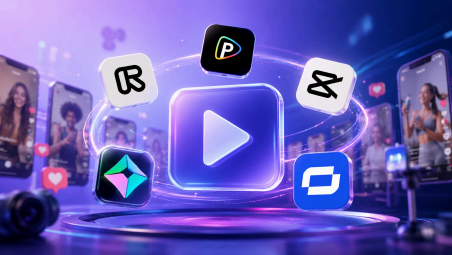

In modern digital marketing, the AI UGC ad video generator has become a key tool for brands seeking fast, scalable, and creator-style video content. These systems are designed to replicate user-generated content formats such as testimonials, product reviews, and social-style promotional clips without requiring real influencers or production teams. As competition grows across TikTok, Instagram, and YouTube Shorts, businesses increasingly rely on AI-driven workflows to maintain content velocity and testing speed.
Below is a structured breakdown of the 5 most relevant tools in this category, starting with Pollo AI.
Pollo AI

Pollo AI is an AI UGC ad video generator designed to help brands produce realistic, influencer-style marketing videos using AI avatars. It is positioned as a tool that removes the need for expensive actors or influencer partnerships by allowing users to generate lifelike spokesperson content directly from scripts and images. The platform focuses on making UGC-style ads feel authentic, conversational, and community-driven, which aligns with modern performance marketing needs.
From a functional perspective, Pollo AI integrates lifelike AI avatars, script-based video generation, and fast rendering workflows. Users can upload a subject image, input a marketing script, and generate a polished UGC-style ad within minutes. It also supports multiple AI voiceovers and background music options, enabling marketers to customize tone and delivery. The system is particularly structured for e-commerce brands, DTC startups, and agencies that need continuous ad production at scale.
AI UGC Ad Video Generator Highlights of Pollo AI

Pollo AI stands out in the AI UGC ad video generator space due to its emphasis on lifelike AI avatars and rapid content creation. These avatars are designed to replicate real human presenters with natural expressions and synchronized lip movements, helping ads feel more authentic and relatable. The system also supports diverse avatar types across age, gender, and ethnicity, allowing brands to simulate a wide range of influencer personas without external hiring. In addition, it can function as a Facebook video maker, helping marketers quickly produce platform-ready ads optimized for social media distribution.
The platform is particularly effective for scaling marketing campaigns. It enables users to generate multiple UGC ad variations for A/B testing, which is critical in performance-driven advertising environments. Instead of producing a single polished video, marketers can create dozens of variations to test messaging, hooks, and creative angles. This makes it suitable for e-commerce catalog promotion, dropshipping campaigns, and agency-level client management, especially when used as a Facebook video maker to streamline ad creation across Meta campaigns.
My tips: Overuse of similar avatar styles may reduce perceived authenticity, so rotation of visual styles is recommended.
Runway
Runway (Gen-3 Alpha) is an AI UGC ad video generator that focuses on high-quality video generation through text and image prompts. Unlike template-based platforms, it emphasizes creative control and cinematic output, allowing users to generate visually rich scenes that can still be adapted into UGC-style marketing content. It is widely used by creative teams that prioritize visual storytelling and experimental ad concepts.
The platform includes advanced generative video capabilities that simulate motion, camera dynamics, and environmental realism. While it is not strictly a UGC template tool, it can be used to produce influencer-style promotional content when combined with appropriate scripting and narrative framing. This makes it suitable for brands that want elevated visual quality in their UGC-inspired campaigns.
AI UGC Ad Video Generator Creative Advantages of Runway
Runway’s main strength in the AI UGC ad video generator category lies in its ability to produce cinematic and visually dynamic content. It enables marketers to create stylized product showcases and emotionally driven storytelling ads that still maintain a creator-content feel. This is especially useful for premium brands that want to differentiate through visual sophistication.
It is best used in early-stage concept development, where multiple creative directions are tested before finalizing a campaign. Agencies also use it for high-impact hero ads that complement standard UGC content produced elsewhere. Its flexibility allows blending realism with artistic interpretation.
My tips: Output consistency can vary, so multiple prompt iterations are often required for stable results.
HeyGen
HeyGen is an AI UGC ad video generator focused on creating avatar-led video content where digital presenters deliver scripted messages. It is widely used for marketing explainers, product walkthroughs, and testimonial-style advertisements that simulate real human delivery. The platform reduces the need for filming equipment or on-camera talent.
Its core functionality includes text-to-video generation, multilingual support, and customizable AI avatars. Users can quickly convert scripts into spoken video content, making it efficient for structured marketing communication. In the AI UGC ad video generator ecosystem, HeyGen is often used for clarity-driven campaigns where consistency and message accuracy are important.
AI UGC Ad Video Generator Use Cases for HeyGen
HeyGen is effective for producing standardized UGC-style ads at scale. It allows brands to reuse a single script across multiple languages and regions, making it suitable for global marketing strategies. The avatar-based delivery also helps maintain uniform messaging across campaigns.
It is commonly used for SaaS marketing, onboarding videos, and product education ads that mimic UGC-style presentation formats. While not as informal as influencer content, it still maintains a conversational tone that aligns with modern ad expectations.
My tips: Overly scripted delivery can feel unnatural, so simplifying scripts improves realism.
CapCut
CapCut is a widely used AI UGC ad video generator and editing tool designed for mobile-first content creation. It combines AI-assisted editing features with templates optimized for short-form video platforms like TikTok and Instagram Reels. While not purely a generative AI tool, it plays a major role in assembling UGC-style advertisements.
The platform offers auto-captioning, transitions, templates, and AI-enhanced editing functions that simplify video production. It is frequently used by marketers who combine AI-generated assets with manual editing to produce engaging UGC-style ads. Its accessibility makes it especially popular among social media creators and small businesses.
AI UGC Ad Video Generator Editing Power of CapCut
CapCut’s advantage in the AI UGC ad video generator workflow is speed and adaptability. It allows users to quickly adjust visuals, captions, and audio to match trending formats. This makes it ideal for time-sensitive marketing campaigns where rapid iteration is required.
It is commonly used to finalize AI-generated content into platform-ready UGC ads. Marketers often import avatars, product clips, or AI-generated visuals into CapCut for polishing and optimization. This hybrid workflow enhances content performance across social channels.
My tips: Heavy reliance on templates may reduce originality if not customized.
Synthesia
Synthesia is an AI UGC ad video generator focused on avatar-based corporate video production. It enables users to create professional spokesperson videos using AI presenters that deliver scripted content. It is widely used in corporate communication, training, and marketing explainers.
The platform supports text-to-video generation with multilingual avatars and structured presentation styles. It is often used for brands that require clear, consistent messaging in a scalable format. In UGC-adjacent workflows, Synthesia helps simulate human-led explanations in a controlled and professional tone.
AI UGC Ad Video Generator Corporate Applications of Synthesia
Synthesia is particularly effective for structured advertising where clarity is prioritized over casual tone. It is commonly used for product demos, onboarding ads, and service explanations that mimic UGC but maintain corporate consistency.
It also supports international marketing campaigns through automated translation and voice adaptation. This makes it suitable for enterprises that need unified messaging across multiple regions and markets.
My tips: Videos may feel overly formal compared to native UGC content, so tone adjustment is important.
Conclusion
The AI UGC ad video generator ecosystem includes tools that serve different creative and marketing needs, from Pollo AI’s scalable avatar-driven UGC production to Runway’s cinematic generation, HeyGen’s structured avatar delivery, CapCut’s mobile editing flexibility, and Synthesia’s corporate communication focus. Together, these platforms reflect the growing shift toward automated, scalable, and creator-style advertising workflows that reduce production costs while increasing content output efficiency.

Raghav is a talented content writer with a passion for creating informative and interesting articles. With a degree in English Literature, Raghav possesses an inquisitive mind and a thirst for learning. Raghav is a fact enthusiast who loves to unearth fascinating facts from a wide range of subjects. He firmly believes that learning is a lifelong journey and he is constantly seeking opportunities to increase his knowledge and discover new facts. So make sure to check out Raghav’s work for a wonderful reading.